

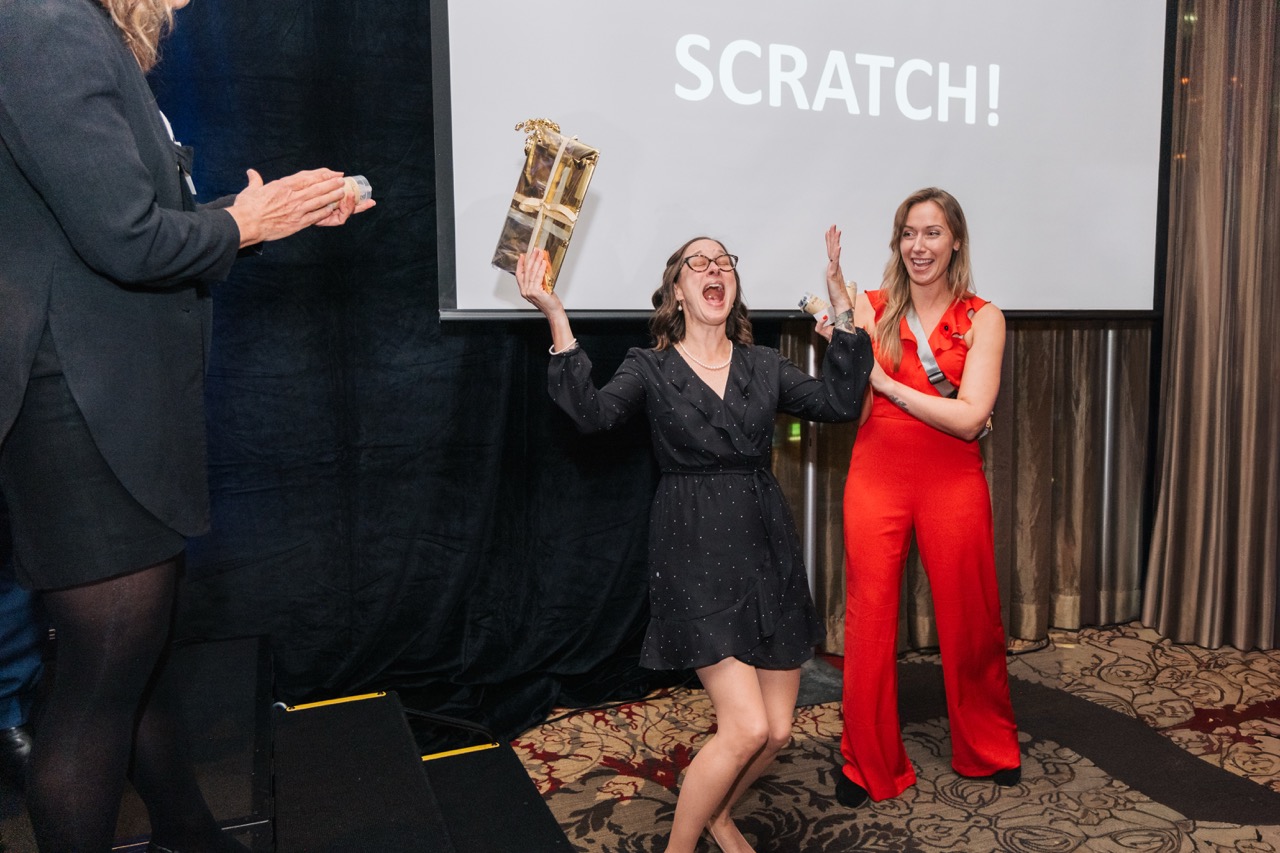
The Annual Event Paradox
How to Create Fresh Event Content When the Agenda Rarely Changes
Whether it’s a university convocation or a non-profit fundraiser, recurring events are the backbone of many organizations. Here is how to ensure your media doesn't feel repetitive, even if the itinerary is.
If you run an annual event in Vancouver—whether it’s a large-scale fundraiser like those for the BC Lung Foundation or an institutional staple like a University Canada West convocation—you are likely familiar with the “Groundhog Day” problem.
The structure is set in stone. The venue is likely the same hotel ballroom or campus hall. The agenda—opening remarks, keynote, networking break, awards, closing remarks—rarely deviates.
As an organizer, this consistency is comforting. But as a marketer trying to generate buzz and sell tickets for next year, it’s terrified. How do you tell a new story when the script is essentially the same?
At Threshold Studios, we work with dozens of organizations that face this exact challenge. We’ve learned that when the structure remains consistent, it actually frees you up to be radically creative with the execution. Your role is to run the event; our role is to make sure the visual capture looks enhanced, dynamic, and fresh every single year.
University Canada West
Chito Y.
"I had the pleasure of working with Sam and his team at Threshold Studios twice this year on our university convocation videos and the experience was excellent both times. The quality and craftsmanship of the final videos exceeded my expectations."
Clients Who Keep Coming Back
BrainStation
Dylan P.
"Sam is an absolute pro! He has been shooting our events at BrainStation Vancouver for months and we are beyond impressed with the quality of his work and the level of professionalism he brings when working in our space."
Here are the 10 questions we ask to ensure we produce unique, high-impact content for recurring annual events.
1. How do we tell a new story when the agenda is identical to last year?
The agenda might be a repeat, but the context never is. Every year, your organization is facing new challenges, celebrating different milestones, or focusing on a specific theme.
We differentiate the content by identifying the “Headline” of the year. If 2025 was about “Stability” and 2026 is about “Innovation,” our coverage shifts to reflect that. We prioritize different soundbites from the speeches, select different key moments to highlight, and structure the narrative arc to reflect where the organization is right now. The run-of-show provides the structure, but the current goals of the organization dictate the story.
2. What are the most effective ways to repurpose last year’s footage for this year’s marketing?
Many organizers sit on a goldmine of archival footage and never use it. This is a missed opportunity for building momentum.
A month before your event, you should be releasing high-energy “hype reels” cut from the previous year’s best moments. This serves two purposes:
-
It builds FOMO (Fear Of Missing Out): It reminds past attendees of the energy in the room.
-
It establishes legacy: It proves to new attendees that this is an established, successful event worth their time and money.
Don’t let good footage collect dust; use it to drive registration.
3. How can we visually upgrade our event without changing the venue or stage setup?
Clients often tell us, “It’s just the same old conference room.” Our answer is always: “Only if you shoot it the same old way.”
If the physical space is static, the production value must be dynamic. This is where professional videography makes the biggest leap. We enhance the look of a recurring event through:
-
Dynamic Camera Movement: Using gimbals and sliders to turn static presentations into cinematic experiences.
-
Lighting Upgrades: Working with the AV team to ensure the stage lighting pops on camera, rather than washing out the speakers.
-
Altered Perspectives: Deliberately avoiding standard eye-level shots. We shoot from high balconies, low angles, or backstage viewpoints to present the familiar venue from angles the attendees never see.
4. Why does attendee engagement drop for recurring events, and how does video fix it?
Engagement drops when attendees feel they “already know what to expect.” Fatigue sets in.
Video is the cure for event fatigue because it conveys energy that text in an email cannot. When we capture high-impact networking shots, laughter during speeches, and enthusiastic applause, we are creating social proof.
When your post-event content hits LinkedIn, it shouldn’t look like a documentation of a meeting; it should look like a vibrant community gathering that people are excited to return to.
Here is a recent example of a video that we produced for an recurring event with a relatively “boring” topic:
5. What specific shots should we capture this year to build a ‘Year-over-Year’ growth narrative?
If your goal is to show sponsors and stakeholders that the event is growing, your media needs to prove it visually. We need to deliberately capture shots that act as evidence of scale.
Every year, we aim to make the event look “bigger” than the last. This means getting wider shots of fuller crowds, capturing the busy registration desk at peak times, and ensuring audio capture is pristine so the speakers sound authoritative. We want viewers to look at the video and think, “Wow, this event has really matured.”
6. How can we turn a one-day annual fundraiser into 365 days of social media content?
The biggest mistake organizers make is treating event media as a “one-and-done” recap video. Your event might last eight hours, but the content should last all year.
We utilize a “Content Waterfall” strategy. We take the main footage—say, a 45-minute keynote speech from a Mosaic BC event—and break it down:
-
Macro Content: The full speech on YouTube.
-
Micro Content: Five to ten 60-second vertical clips of the best quotes for TikTok and Instagram Reels.
-
Static Content: High-res photos of the speaker with quote overlays for LinkedIn.
Suddenly, one asset becomes a month’s worth of marketing material.
7. Is it worth interviewing the same keynote speakers again?
Yes, but the conversation must evolve. Recurring speakers offer a unique opportunity to track the evolution of your industry or cause.
Instead of general questions, we use these interviews to benchmark progress. We ask specific, time-sensitive questions: “What is the biggest shift you’ve seen in the sector over the last 12 months?” or “What is the singular focus for 2026 compared to 2025?” This transforms a standard interview into an exclusive annual update, positioning your event as the authority on where the industry is heading.
8. How do we capture ‘authentic’ networking moments that don’t look staged?
Nothing kills the vibe of an event recap video faster than awkward, staged shots of people shaking hands while looking at the camera.
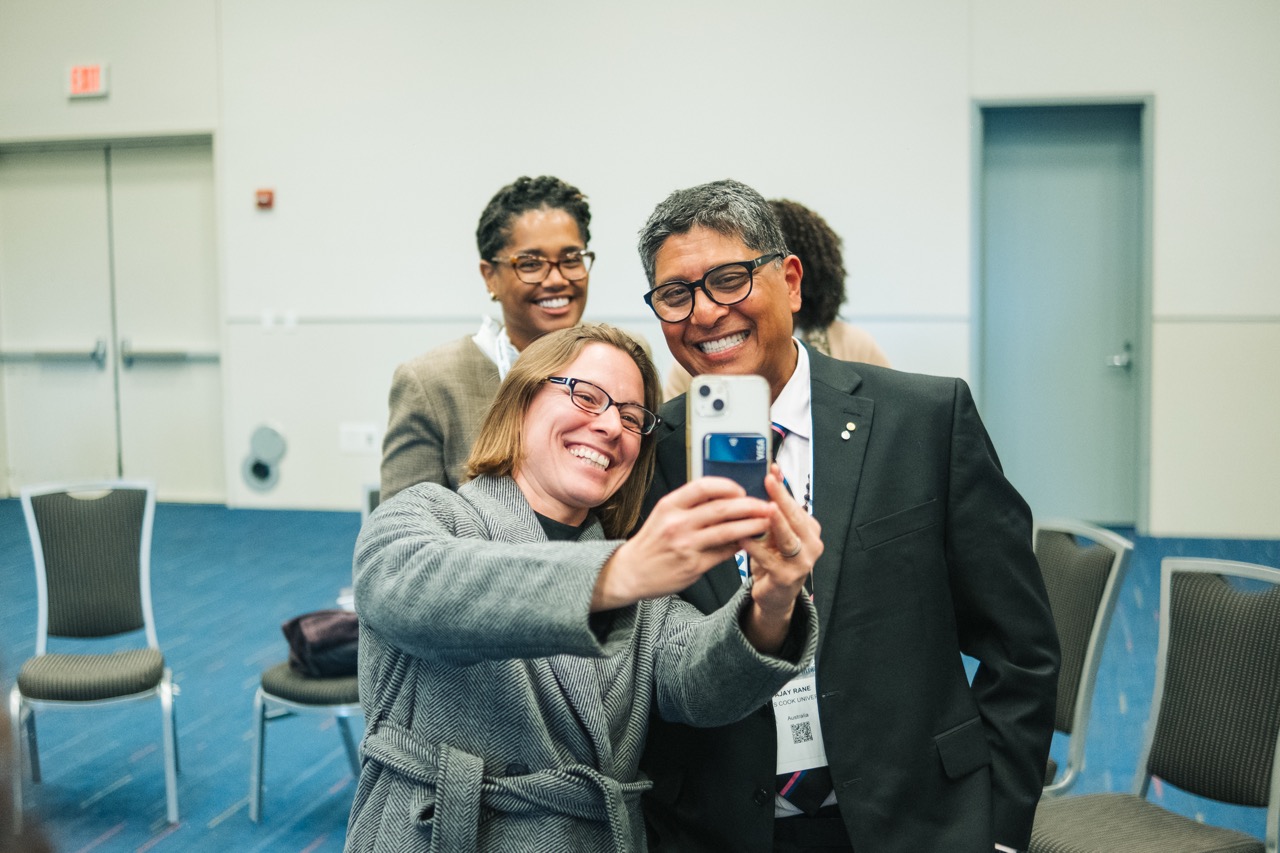
To show sponsors that real connections are happening, the videography needs to be unobtrusive. Our teams use longer lenses to capture genuine moments of laughter, business card exchanges, and animated conversation from a distance without interrupting the flow. Authenticity is what sells tickets for next year.
9. What is the ‘Visual Legacy’ approach for non-profits and universities?
For institutional clients like universities or health foundations, you have the unique advantage of time.
Don’t just think about this year’s video; think about the five-year archive. Can we capture a student at their freshman orientation, and then again at their graduation four years later? Can we show a research project that was funded last year delivering results this year?
Building a visual legacy allows you to show long-term impact in a way few other mediums can.
10. How does professional post-production change the ‘vibe’ of a repeat event?
The footage we capture on the day is just raw material. The “vibe” of the event is created in the editing room.
Even if the event was exactly the same as last year, we can change the emotional takeaway through editing choices. One year, we might use faster cuts, upbeat music, and bright color grading for a celebratory feel. The next year, we might slow down the pacing, use deeper colors, and rely more on moving audio testimonials for a more serious, impactful tone.
Summary: Consistency is an Opportunity
Don’t view your recurring event structure as a limitation. View it as a reliable foundation that allows you to take creative risks with your visual content.
By focusing on the new people, the evolving stories, and enhancing production value year over year, you can ensure your annual event always feels like a brand-new experience.